
Unraveling the most famous casino heists in history
The Bellagio Heist
In 2010, the Bellagio in Las Vegas became the epicenter of an audacious heist that shocked both security experts and gamblers alike. The notorious thief, known as Anthony Carleo, made headlines after entering the luxurious casino wearing a helmet and carrying a handgun. He approached a poker table and demanded chips from the dealer, fleeing with over $1.5 million in chips. This brazen act not only showcased the vulnerabilities of casino security but also the allure of high-stakes gambling. For those seeking an engaging online experience, Rolletto casino offers a secure platform with diverse gaming options.
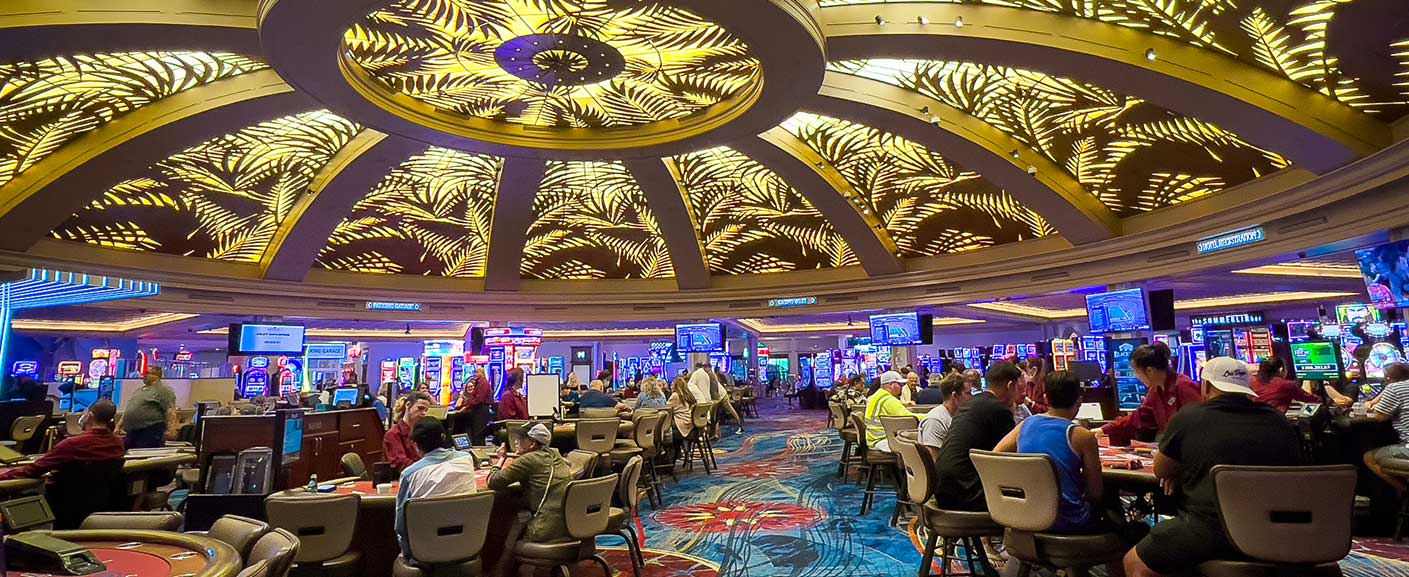
What made this heist particularly captivating was Carleo’s background. The son of a prominent Las Vegas police officer, he was raised in an environment that should have equipped him with a sense of morality and understanding of law enforcement. His decision to commit such a crime raised eyebrows, leading many to question how someone from a reputable background could fall into such a trap. Carleo’s eventual capture, aided by a series of videos and social media activity, served as a reminder of the consequences of a life of crime.
The Bellagio heist stands as a testament to the risks and thrills of casino life. It highlighted the persistent tension between security and the excitement of high-stakes gambling. With sophisticated surveillance technologies in casinos, one would expect a foolproof system in place. However, this event demonstrated that even the most secure establishments can become victims to well-planned schemes, ultimately sparking conversations about enhancing security measures in the industry.
The Great Casino Robbery
In 1993, a group of armed men executed an elaborate robbery at the South American casino known as the Casino de Monte Carlo. This heist was not just about brute force; it involved a high level of planning and execution. The perpetrators, five in total, entered the casino simultaneously and, leveraging the chaos, rounded up patrons and staff at gunpoint. They managed to escape with a staggering amount of cash, estimated at over $3 million.
The criminal mastermind behind this operation was a former employee of the casino, showcasing the importance of internal security measures. His intimate knowledge of the layout and security protocols enabled the crew to effectively bypass alarms and surveillance cameras. Investigations into the heist revealed that the robbers had spent weeks studying the casino’s operations, indicating that meticulous planning often precedes the most audacious heists.
This robbery emphasized the necessity for casinos to not only employ advanced security measures but also to conduct thorough background checks on employees. The aftermath of the Great Casino Robbery led many establishments to revise their protocols, employing undercover security personnel and enhancing surveillance systems to deter potential heists. The implications of such events continue to resonate within the industry.
The Lufthansa Heist Connection
The infamous Lufthansa heist of 1978, while not directly involving a casino, has been connected to the world of gambling through organized crime. A group of mobsters stole approximately $5 million from the airline’s cargo building at JFK Airport, and the money quickly found its way into the high-stakes gambling tables of New York City casinos. This heist demonstrated how organized crime syndicates often interlinked with the casino scene, transforming the gambling landscape in the process.
As the mob utilized casinos as fronts for their operations, it became evident that the influx of cash from various illicit activities often funded gambling. The Lufthansa Heist encapsulated the intertwining of crime and gambling, reflecting on how vulnerable these establishments can be when they serve as laundering operations for such fortunes. The ripple effects of this heist were profound, leading law enforcement to crack down on organized crime’s infiltration of casinos.
The connection between the Lufthansa Heist and casino operations serves as a cautionary tale for both gamblers and casino owners alike. It highlights the importance of maintaining integrity within the gaming industry and ensuring robust measures are in place to detect and prevent illicit activities. The long-term consequences of allowing organized crime to seep into casinos can tarnish reputations and endanger the entire establishment.
The Casino Royale Robbery
In 2006, a dramatic event unfolded at the Casino Royale in St. Maarten, where a group of thieves executed a meticulously planned heist. During the robbery, armed individuals stormed the casino while it was bustling with activity. The robbers took advantage of the chaos, demanding money from the cashiers and threatening patrons. The situation escalated quickly, highlighting both the terror of armed robberies and the vulnerabilities present even in well-guarded locations.
Eyewitness accounts detail the fear and panic that engulfed the casino during this incident. The robbers managed to escape with nearly $1 million in cash before security could respond adequately. This event prompted discussions about the need for enhanced security measures and staff training in emergency situations. The aftermath of the Casino Royale robbery led to changes in policies across various establishments, focusing on rapid response protocols to safeguard patrons and staff.
The Casino Royale robbery is a stark reminder of the high stakes involved in the gambling industry. While these establishments are often seen as havens of entertainment, they can also be susceptible to crime. Following this incident, casinos worldwide revisited their security measures, implementing technology and protocols designed to mitigate risks and respond more effectively to potential threats. The impact of such events resonates deeply within the casino community.

Modern Security Innovations in Casinos
With the increasing frequency of casino heists, modern security measures have become more sophisticated. Today’s casinos employ a range of technological advancements to protect against theft. High-definition surveillance cameras, biometric scanners, and AI-powered facial recognition systems are just a few examples of how establishments are adapting to the evolving landscape of crime. These tools not only help in preventing theft but also play a crucial role in post-event investigations.
Additionally, casinos are increasingly focusing on employee training. Staff members are taught to recognize suspicious behavior and how to react during emergencies. From alerting security to engaging with law enforcement, comprehensive training programs equip employees to handle potentially dangerous situations effectively. This proactive approach aims to foster a secure environment for both patrons and staff, ultimately enhancing the gaming experience.
As the gambling industry continues to grow, the importance of security cannot be overstated. Casino operators recognize that maintaining a safe environment is essential for attracting and retaining customers. Innovations in security measures serve as a testament to the industry’s commitment to protecting its patrons and securing its assets, ensuring that the thrill of gaming remains unmarred by the fear of crime.